

Background Color

 Add to favorites
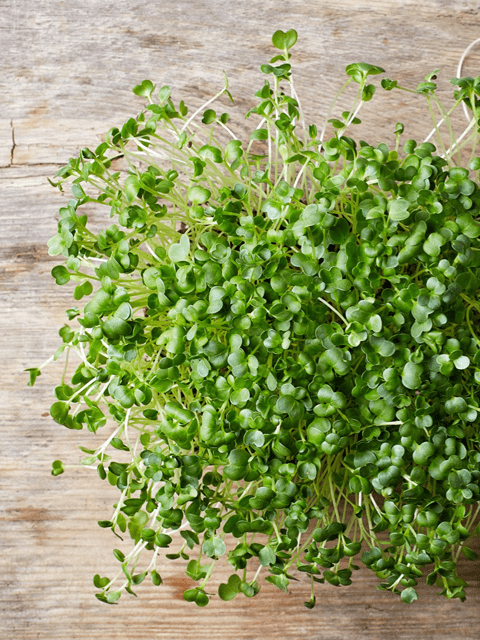
Sprouts are the beginning life of a plant. These baby plants are loaded with nutrients, minerals, vitamins, antioxidants, proteins, fats, phytochemicals, enzymes, water, and chlorophyll. Sprouts have the highest concentration of these nutrients, vitamins, etc. than any other stage of a plant’s life.
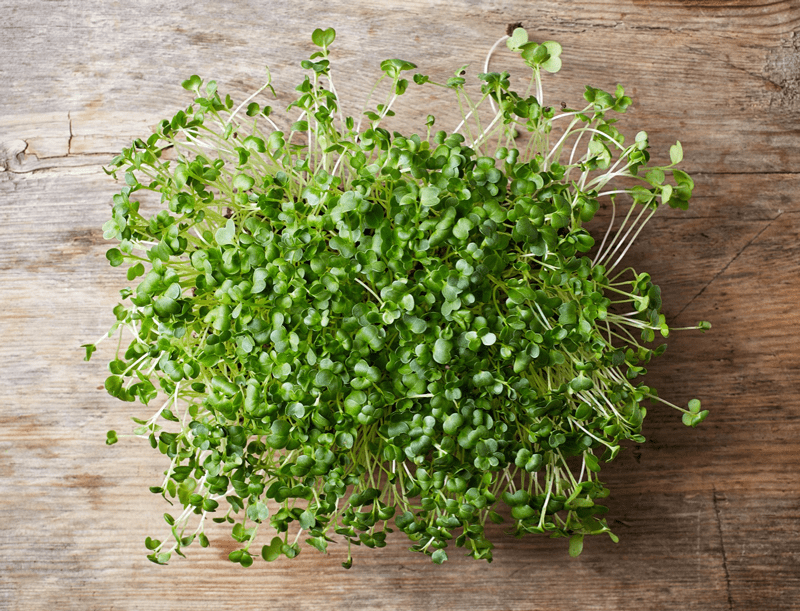
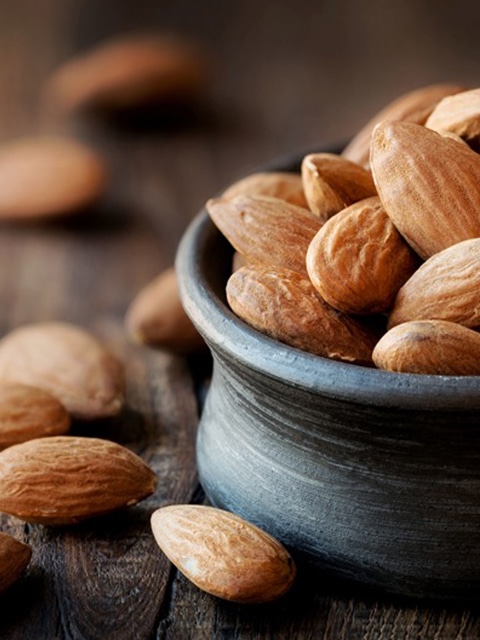
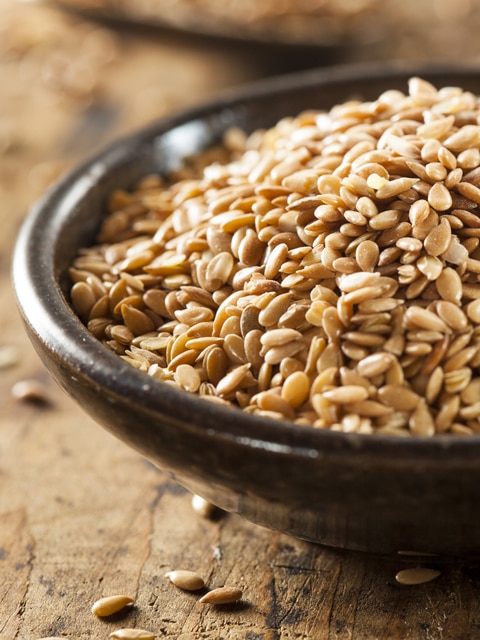
Sprouts are alive and continue to grow for some time after they are harvested. This period of growth continues to add more nutrients. Not only do we sprout nuts and seeds to release their maximum amounts of nutrients, but many people find they cannot tolerate grains, seeds, nuts, and legumes, or products such as breads, cakes, or bean dishes made from them.
Do you suffer from indigestion, flatulence, or bloating after eating them? Seeds and nuts contain not only enzyme inhibitors but also phytic acid, which is found in the outer layer. Both of these make dry grains, seeds, and legumes virtually indigestible. Phytic acid also reacts with many essential minerals, such as calcium, magnesium, copper, iron, and especially zinc, and stops their absorption in your intestines.
As they soak, the enzymes, lactobacilli and other helpful organisms break down and neutralize the phytic acid. As little as seven hours soaking in water removes most of the phytic acid. Soaking, fermenting, and sprouting also breaks down gluten and other difficult-to-digest proteins into simpler components that are more easily absorbed.
Not only are sprouts living food, but they are also naturally low in calories. Their vitamin A content will usually double, various B group vitamins will be five to ten times higher, and vitamin C will increase by a similar order. Their protein content becomes easily digestible, and rich new nutrients such as enzymes and phytochemicals are created. They contain significant amounts of bio-available calcium, iron, and zinc.
One of the easiest and least expensive routes in sprouting is the jar method. When using jars, use wide-mouth, glass canning jars, which are available at many hardware or grocery stores. You will need screen lids – cut pieces of different (plastic) mesh screens or buy some of the special plastic screen lids designed for sprouting. Sprouting in jars is quite straightforward: put the seeds in a jar, add soak water, and fasten the lid. When the soak is over, invert the jar and drain the water, then rinse again. Then prop the jar up at a 45-degree angle for the water to drain. Keep out of direct sunlight. Rinse the seed in the jar two to three times per day until ready, always keeping it angled for drainage.
You can use your sprouted seeds at various growth periods. Often I will sprout the seed or grain only long enough to create a small tale, using them in cookie or bread recipes. Here is an example.
| Soaking Time | Sprouting Time | |
| All Beans | 9 – 12 hours | 2 – 3 days |
| Alfalfa | 5 – 10 hours | 3 – 5 days |
| Almond | 8 – 10 hours | 2 – 3 days |
| Buckwheat | 1 – 2 hours | 2 – 3 days |
| Clover | 8 – 10 hours | 3 – 4 days |
| Corn | 10 – 15 hours | 3 – 5 days |
| Fenugreek | 10 – 12 hours | 4 – 5 days |
| Lentils | 10 – 12 hours | 2 – 3 days |
| Millet | 8 – 11 hours | 1 – 2 days |
| Oat Groats | 8 – 10 hours | 1 – 2 days |
| Peas | 9 – 12 hours | 2 – 3 days |
| Quinoa | 8 – 10 hours | 2 – 3 days |
| Rice | 9 – 12 hours | 3 – 4 days |
| Rye | 9 – 12 hours | 2 – 4 days |
| Sesame Seeds | 8 – 11 hours | 3 – 4 days |
| Spelt | 6 – 12 hours | 3 – 4 days |
| Sunflower Seeds | 6 – 8 hours | 2 – 3 days |
| Triticale | 9 – 12 hours | 2 – 4 days |
| Wheatgrass | 10 – 12 hours | 7 – 10 days |
Sprouting chart brought to you by http://www.juicingbook.com/sprouts

Thank you for posting this. I’ve never sprouted anything before but have been looking to do so asap. Can’t wait to eat the raw and living. I love my healthy creatures =)
Sprout away Bridget! I go through spells where I am sprouting up a storm. :) I love them!!!
Hello Amie-Sue. I am trying to sprout lentils. If I keep rinsing them can I continue to sprout them beyond 2 – 3 days without danger of them going rancid. So far the tails are about one inch. I love you website. I have tummy issues and am looking forward to getting the equipment I need to start to incorporate the raw diet. Take Care!
Hello Patricia…
Depending on the climate and time of year you are sprouting and most importantly your personal preference – You may Rinse and Drain again at 8-12 hour intervals for up to 6 days. Not all Lentils will sprout at the same time but they are close enough to mix together. I suggest that you taste your crop at EVERY RINSE – including the very first – just after the Soak period. The soaked seeds are already alive and though they may not be their most nutritious they are still very nutritious – they are already without enzyme inhibitors at this point.
I hope this helps! amie sue
Grow them for as long as you like (as long as you continue to Rinse and Drain every 8-12 hours) and find out for yourself when they are most delicious! If you grow for a week you’ll get some plants growing as well as roots. Experiment! Have Fun! It’s All Good!
Hey Amy,
When you sprout the nuts, seeds and grains do you have to cook them or can you eat them raw?
Something like quinoa I cook but If I can sprout it and eat it raw that would be more beneficial I think.
Thanks,
Nate.
Hi Nathan…
After sprouting nuts you can eat right away…(or dehydrate them then) The sprouting process is what helps to rid most of the phytic acid and the enzyme inhibitors which is beneficial for digestion. As far as quinoa goes, I eat cooked and I have eaten it raw but sprouted. It really depends on how how well your body handles them. Personally, cooked quinoa is better for my stomach right now. I know I always seems to come back to that bit of advice but it is so true. We are so unique and what works for you, may not for another. I have a post on sprouting quinoa if interested. It is under Raw Techniques. Good to hear from you Nathan. amie sue
Thanks for all of your advice. I just came across your website and blog recently and I’m in love with it. You have such great information and tasty looking recipes. I am trying to incorporate a lot more raw foods into my diet and sprouting is something I am very interested in. The one concern I have is leaving the nut/seed/bean wet inside a dark place. It makes me think of mold growing. Is that something that I should worry about? Or does rinsing it often keep mold from growing? I’ve also seen other people sprout foods by leaving them moist but keeping it an open space so air can flow through it. I would really appreciate any advice you can give.
Thanks so much!
Good evening Jacquelyn,
I am so happy that you found my site. :) I hope that you continue to enjoy it.
I understand you concern and it is a valid one. In the process of creating healthier foods for our bodies, we don’t want to add any wrong bacterias to it in the process. The purpose for starting the sprouting off in the dark is to commence germination. Then as indicated in #8 (above) “Once sprouting begins, that you see the shoots, put the jar into sunlight. This allows the sprouts to develop chlorophyll.”
Here a things to keep your eye on when you are learning to sprout: (the following can cause issues)
Seeds are not rinsed well enough before soaking
Seeds are left in standing water after the initial soaking
Seeds are allowed to dry out
Temperature is too high or too low
Insufficient rinsing
Dirty equipment
Insufficient air flow
Contaminated water source
If you have any further questions, please don’t hesitate to ask, I will do my best to help you. Did any of this help? Many blessings, amie sue
I have sprouted lentil seeds. They are about 2 inches tall. Do I eat the greens the seats and the roots?
Yep, that is where the concentrate nutrients are found! :) Enjoy. hugs, amie sue