#1 – WHY Soak & Dehydrate Raw Nuts, Seeds, Grains

 Add to favorites
Have you ever eaten handfuls of nuts or seeds and wonder why it feels as though you dropped a brick in your stomach? This happens because nuts that have not been soaked contain enzyme inhibitors that can cause uncomfortable digestion. If you have experienced this, please keep reading!
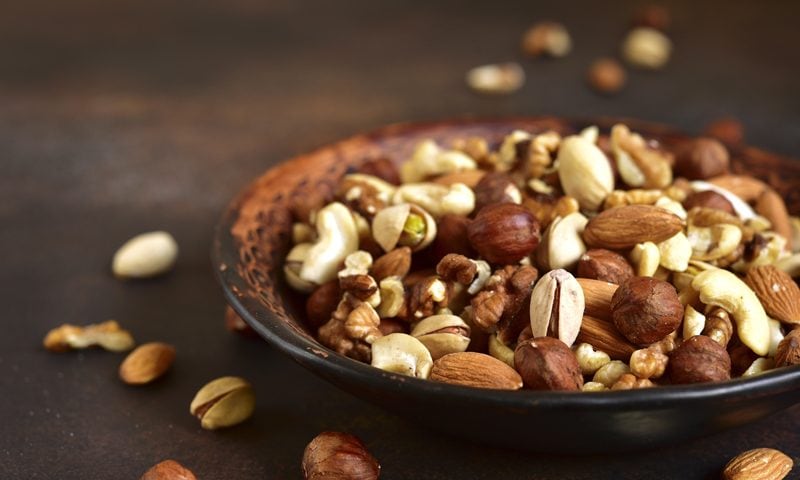
Let’s talk about WHY & WHAT happens…
We are going to “geek” out just for a second here. Once you have spent some time in the raw food world, you will see two words heavily brought up; phytic acid and phytate.
- Phytic Acid – is a unique natural substance found in plants. It impairs the absorption of iron, zinc, and calcium and may promote mineral deficiencies (source). Therefore, it is often referred to as an anti-nutrient.
- Phytate – When phytic acid is bound to a mineral in the seed, it’s known as phytate.
It gets deeper… Phytate is the molecule that plants use to store phosphorus, and it is particularly high in nuts, edible seeds, beans/legumes, and grains. Most people equate phytic acid to just nuts and seeds, but it is actually found in a lot of other foods including roots, tubers, and other vegetables but usually in lower amounts.
So again, when phytic acid binds to a mineral in these foods, it’s known as phytate, and once digested, the phytate in raw nuts (as an example), cannot be digested by humans as we do not have the phytase enzyme. It then binds to minerals, particularly calcium, iron, and zinc, but also magnesium and manganese, preventing us from absorbing them in the gastrointestinal tract. Phytate has been described as an anti-nutrient for this reason. (source 1, 2). Diets high in phytate are thought to cause iron deficiency (source).
As well as binding to minerals, phytate is also thought to inhibit digestive enzymes such as pepsin, trypsin (4), and amylase. This is why large quantities of raw nuts can be hard to digest. So as you can see, soaking raw nuts, seeds, and grains is a crucial step, especially if you are eating a diet rich in them.
Who’s eating phytic acid?
WE ALL ARE! Everyone who eats plants, nuts, and seeds will consume some amount of phytic acid. It’s all a question of degree. If you eat a vegan diet, then it would be advised to include the soaking and dehydrating process of nuts, seeds, and grains to help reduce your intake. I will be sharing some other tactics below, so keep reading!
Who NEEDS to worry about Phytic Acid?
Whether you should worry about phytic acid wholly depends on how much you intake and the state of your health. If you eat a small handful of raw nuts and/or seeds every once in a while, it’s most likely not a big deal. But if you’re vegan and eating vast quantities of almond butter, cashew cheese, and raw (nut-based) desserts, you eat a vegetarian diet packed with lentils and whole grains; you will want to keep an eye on it.
If you have health issues such as you’re anemic or suffering from calcium or iron deficiency, then you may want to consider reducing your phytate intake. In both of these cases, it doesn’t mean that you have to cut them out; it just means learning how to prepare them differently will significantly reduce your intake.
How Can we REDUCE phytic acid?
- Eat a balanced diet of healthy whole foods.
- Soak and dehydrate raw nuts and seeds.
- Fermenting foods such as cabbage, carrots, and other vegetables can help to break down phytic acid.
- Sprouting seeds reduces phytic acid.
- Heating foods can destroy small amounts of phytic acid BUT can also destroy phytase and vitamin C.
- Milling grains and removing the bran decreases phytic acid. Unfortunately, milling also tends to remove many of the minerals.
- Consume vitamin C-rich foods with meals that contain phytic acid (guava, bell pepper, kiwi, oranges, grapefruit, strawberries, Brussels sprouts, cantaloupe, papaya, broccoli, sweet potato, pineapple, cauliflower, kale, lemon juice, and parsley)
- Use vinegar in salad dressings and cooking to enhance mineral absorption and offset phytic acid.
Are there Positive Health Effects of Phytic Acid?
Yep! Despite the bad rap they get, phytates are actually good for us. Research shows that phytic acid targets cancer through several pathways such as antioxidant, anti-inflammatory, and immune-enhancing activities. It has also shown to have positive effects on diabetes, heart disease, and kidney stone prevention as well as helping in the removal of toxic metals from the body.
The Important of Soaking
- To remove or reduce phytic acid.
- To remove or reduce tannins.
- To neutralize the enzyme inhibitors.
- To encourage the production of beneficial enzymes.
- To increase the amounts of vitamins, especially B vitamins.
- To make the proteins more readily available for absorption.
- To prevent mineral deficiencies and bone loss.
- To help neutralize toxins in the colon and keep the colon clean.
- To prevent many health diseases and conditions.
Basic Soaking and drying Instructions
Ingredients
- 4 cups seeds, nuts, grains (shelled)
- 1 Tbsp sea salt
Preparation
- Dissolve sea salt in freshwater, pour it over nuts or seeds, be sure to use enough water to cover them.
- You will need two times the amount of water as you have nuts in the bowl.
- Leave them in a warm location for the specified time, (indicated below). Select a clean cloth and lay it over the bowl as a cover which allows the contents of the bowl to breathe.
- Drain them in a colander and be sure to rinse them well.
- You can use this water to feed your plants or garden, so no need to waste it.
- Spread them out on your dehydrator sheets in a single layer and dry them at 145 degrees (F) for 1 hour, then reduce to 115 degrees (F) until they are thoroughly dry and crisp.
- Make sure they are completely dry. If not, they could mold, and won’t have that crunchy, yummy texture you expect from nuts and seeds.
- The dry time will vary due to the machine you own, the type of climate you live in, and how full your dehydrator is when drying them. Expect anywhere from 12 + hours.
 Culinary Explanations:
- Why do I start the dehydrator at 145 degrees (F)? Click (here) to learn the reason behind this.
- When working with fresh ingredients, it is important to taste test as you build a recipe. Learn why (here).
- Don’t own a dehydrator? Learn how to use your oven (here). I do, however honestly believe that it is a worthwhile investment. Click (here) to learn what I use.
Does soaking nuts and seeds affect the taste?
The answer is testing, do a little test study for yourself to see. You will see, especially in walnuts and almonds, they have a much more appealing taste after they are soaked and rinsed. In as little as 20 minutes, the soak water is brown. After a couple of hours, the dust, residue, and tannins from the skins are released into the water, and the nut emerges with a smoother, more palatable flavor.
You’ll notice that soaked walnuts do not have that astringent, mouth-puckering taste to them. This is because when soaking walnuts, the tannins are rinsed away, leaving behind a softer, more buttery nut.
The soak water from nuts and seeds should always be discarded and never used as water in a recipe. Be sure to really rinse the nuts well after soaking them.
Do soaked nuts and seeds have to be dehydrated?
If you are unable to dry your nuts or seeds, only soak an amount that you can be sure to use within two or three days. For convenience, I like to soak nuts and seeds in mason jars, rinse them after 12 hours, and then if I don’t have a chance to dry them, I store them in my refrigerator in water. It is important to rinse them twice a day with fresh water. You want to use these nuts within a few days because as with any live food, mold tends to set in within days if you’re not careful.

Walnuts:
- Now considered a “superfood,” walnuts are one of the nutritious nuts.
- They are high in alpha-linolenic acid and omega 3 fatty acids. Omega-3s help reduces the potential for heart disease, cancer, stroke, diabetes, high blood pressure, obesity, and clinical depression.
- Walnuts have also been shown to aid in lowering LDL cholesterol (the bad cholesterol) and the C-Reactive Protein (CRP). CRP was recently recognized as an independent marker and predictor of heart disease.
- These should be stored in the fridge or freezer due to their high-fat content.
- Substitutes: butternuts OR pecans (not as crunchy or flavorful) OR hazelnuts (not as rich) OR pine nuts (especially in pesto)
- Soak for 4-8 hours. Read more (here).
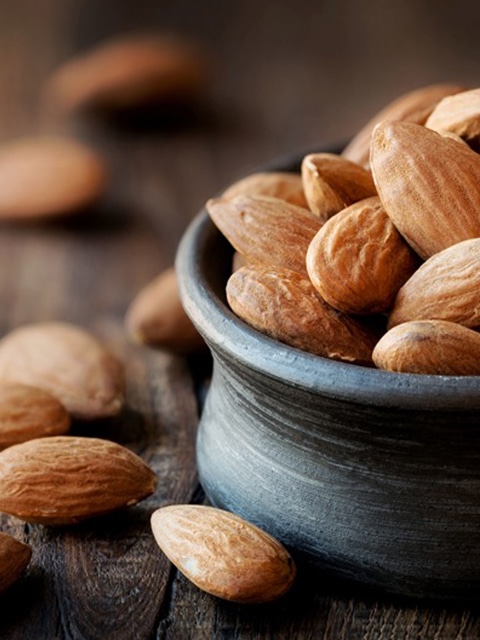
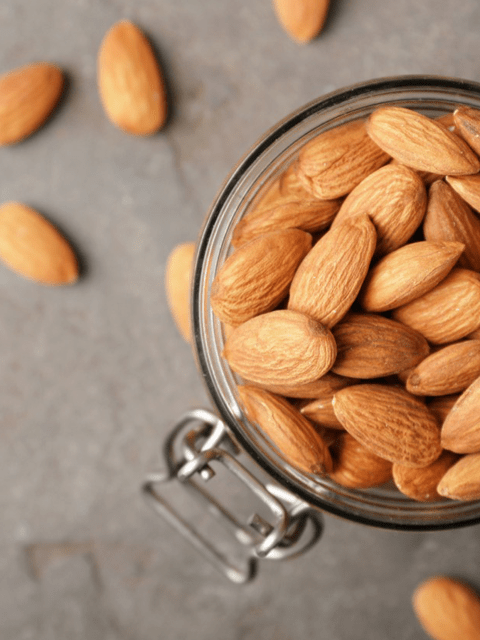
Almonds:
- High in protein, zinc, and calcium, almonds are also a great source of vitamin E magnesium, calcium, potassium, and iron.
- Another nut that can help reduce bad cholesterol.
- They are also a high plant-based protein that can double as a source of fiber.
- Substitutes: hazelnuts (for baking) OR Brazil nuts OR cashews OR pistachios (unsalted)
- Soak for 8-12 hours. Read more (here).
Brazil Nuts:
- Extremely high in selenium which is a powerful antioxidant. It also improves mood and mental performance.
- They are also high in minerals such as zinc, copper, iron, and magnesium.
- In addition to selenium, they contain excellent levels of other minerals such as copper, magnesium, manganese, potassium, calcium, iron, phosphorus, and zinc. Copper helps prevent anemia and bone weakness (osteoporosis).
- Manganese is an all-important co-factor for the antioxidant enzyme superoxide dismutase.
- Unshelled brazil nuts will keep in a cool, dry place for a few months. The best way to store them is to put them in air-seal bags and place them inside the refrigerator. This method will prevent them from turning rancid.
- Substitutes: macadamia nuts (use three times as many) OR paradise nut OR almonds OR pecans
- Soak 8-12 hours. Read more (here).
Cashews:
- They are a good source of potassium, B vitamin, folate, magnesium, phosphorus, selenium, and copper.
- Cashews are packed with soluble dietary fiber, vitamins, and minerals and packed with numerous health-promoting phytochemicals; that help to protect against diseases and cancers.
- Substitutes: peanuts (for making nut butter) OR pine nuts OR almonds OR pecans
- Soak 2-3 hours. Read more (here).
Pecans:
- Zinc, vitamin E, vitamin A are only a part of what these tasty nuts provide.
- They also have been proven to increase the results of a diet designed to lower cholesterol.
- They are packed with many important B-complex groups of vitamins such as riboflavin, niacin, thiamin, pantothenic acid, vitamin B-6, and folates. These vitamins function as co-factors for enzymes during cellular substrate metabolism.
- Substitutes: walnuts
- Soak 4-8 hours. Read more (here).
Hazel Nuts (also known as filberts):
- These nuts are rich in dietary fiber, vitamins, and minerals and packed with numerous health-promoting phytochemicals. Altogether, they help protect from diseases and cancers.
- Hazels are exceptionally rich in folate, which is a unique feature for nuts. 100 g fresh nuts contain 113 mcg. Folate is an essential vitamin that helps prevent megaloblastic anemia, nucleic acid synthesis, and most importantly, neural tube defects in the fetus. Good news for expectant mothers!
- Un-shelled hazels can be placed in a cool, dry place for years. Store shelled (without the outer coat) nuts inside airtight container and place in the refrigerator to avoid them turn rancid.
- Substitutes: beechnuts OR almonds OR walnuts OR pecans OR Brazil nuts OR macadamia nuts
- Soak 8-12 hours. Read more (here).
Pine Nuts:
- Suitable for your cardiovascular system, and filled with calcium, vitamins D, C and A.
- Pine nuts are an excellent source of the B-complex group of vitamins such as thiamin, riboflavin, niacin, pantothenic acid, vitamin B-6 (pyridoxine) and folates. These vitamins function as co-factors for enzymes during cellular substrate metabolism.
- Pine nuts can be useful for your eyes and immune system.
- Unshelled nuts have a long shelf life and can be stored for many months. Shelled kernels deteriorate soon if exposed to warm, humid conditions. Therefore, store shelled nuts in airtight jars and store them in the refrigerator.
- Substitutes: walnuts (this is a common variation in pesto) OR almonds (this is a common variation in pesto) OR hazelnuts (this also works in pesto) OR cashews (raw, unsalted) OR peanuts (unsalted) OR sunflower seeds.
- Soak 8 hours. Read more (here).
Macadamia Nuts:
- One of the few nuts that have palmitoleic acid, a monounsaturated fatty acid. It is said to help reduce stored body fat by increasing metabolism.
- They are also rich in omega 3′s and vitamin A, thiamine, riboflavin, niacin, and iron.
- These should be stored in the fridge or freezer due to their high-fat content.
- Substitutes: Brazil nut (stronger flavor, three times as large) OR pecans OR walnuts OR almonds OR cashews.
- Soak 8-12 hours. Read more (here).
Pistachios:
- Pistachios are a rich source of energy and contain many health benefiting nutrients, minerals, antioxidants, and vitamins that are essential for optimum health. These nuts are rich in monounsaturated fatty acids like oleic acid and an excellent source of antioxidants.
- Regular intake of pistachios in the diet help to lower total as well as LDL or “bad cholesterol” and increase HDL or “good cholesterol” levels in the blood. Research studies suggest that a Mediterranean diet that is rich in dietary fiber, monounsaturated fatty acids, and antioxidants help to prevent coronary artery disease and strokes by favoring healthy blood lipid profile.
- The nuts are packed with many important B-complex groups of vitamins such as riboflavin, niacin, thiamin, pantothenic acid, vitamin B-6, and folates.
- Unshelled or with shell pistachios can be placed in a cool, dry place for many months, whereas shelled (without the shell) kernels (nuts) should be placed inside an airtight container and kept in the refrigerator to avoid them turn rancid.
- Substitutes: pine nuts OR blanched almonds
- Soak 4-8 hours. Read more (here).
Pumpkin Seeds:
- The seeds contain good quality proteins. 100 g seeds provide 30 g or 54% of the recommended daily allowance.
- Pumpkin kernels are also an excellent source of the B-complex group of vitamins such as thiamin, riboflavin, niacin, pantothenic acid, vitamin B-6 (pyridoxine), and folates. These vitamins function as co-factors for enzymes during cellular substrate metabolism in the body. In addition, niacin helps reduces LDL-cholesterol levels in the blood. Along with glutamate, it enhances GABA activity inside the brain, which in turn helps reduce anxiety and neurosis.
- Whole un-hulled seeds store well for few months placed in a cool, dry place. However, hulled pumpkin kernels deteriorate soon if exposed to warm, humid conditions; therefore, should be placed in an air-seal container and stored in the refrigerator.
- Substitutes: squash seeds OR sesame seeds OR sunflower seeds.
- Soak 8 hours. Read more (here).
Sunflower Seeds:
- Delicious, nutty, and crunchy sunflower seeds are widely considered to be healthful foods. They are high in energy but also contain many health-benefiting nutrients, minerals, antioxidants, and vitamins that are essential for wellness.
- Good source of proteins with excellent quality amino acids such as tryptophan that is essential for growth, especially in children. Just 100 g of seeds provide about 21 g of protein (37% of daily recommended values).
- Sunflower kernels are one of the most excellent sources of the B-complex group of vitamins. They are excellent sources of B-complex vitamins such as niacin, folic acid, thiamin (vitamin B1), pyridoxine (vitamin B6), pantothenic acid, and riboflavin.
- Sunflower seeds are incredible sources of folic acid. 100 g of kernels contains 227 mcg of folic acid, which is about 37% of recommended daily intake. Folic acid is essential for DNA synthesis. When given to expectant mothers during the peri-conception period, it may prevent neural tube defects in the baby.
- At home, store whole seeds at room temperature in a bin or jar. However, sunflower kernels should be placed in an air-tight container and stored in the refrigerator.
- Substitutes: pumpkin seeds OR peanuts (for snacking) OR pine nuts.
- Soak 2 hours. Read more (here).
© AmieSue.com





Such an informative website! Two questions on nutrition:
1. Does the long soaking period of grains and nuts/seeds also leach out valuable vitamins/minerals?
2. Can one keep nuts and seeds (raw, shelled) in the freezer, or would some enzymes be killed off?
Hello Laurinda,
Great questions. In all my studying about nuts and the benefits of soaking them, it is my understanding and belief that we don’t lose the nutrients in nuts through the soaking process. It is taught that without going through this process, those nutrients are not available to us. They are basically locked up due to the enzyme inhibitors. I know personally, if I don’t soak nuts prior to eating them, I get an upset stomach from them. It feels like a lead ball in my stomach. But when I soak them, I digest them better. So in my experience if I can’t digest them, I am not going to get any benefit of their nutrients anyway.
Freezing nuts and seeds prevents them from going rancid which can easily happen due to their high fat content. Light, heat, moisture, and the presence of metal conspire to spoil nuts, so they are best stored in sealed glass containers in a dark, cool, dry place. The freezer is ideal, and doesn’t harm the nuts at all. Nuts also quickly absorb odors from their surroundings, which is another good reason to keep them sealed in cold storage. Peanuts, pecans and walnuts are most susceptible to spoiling, while almonds and cashews are among the least. Rancid nuts will ruin whatever you put them in, so be sure to taste a sample before you add them to a recipe. Freezing can retain quality, but not increase it. So begin with good quality. Most sources say six months is a good time frame to keep nuts fresh. I freeze all my nuts but I always taste test them prior to putting them in. If you buy in bulk, ALWAYS test the freshness. I have bought rancid nuts a few times from bulk bins. No fun!
I hope I answered your question Laurinda.
Hi! How long will raw, unsoaked nuts keep in the refrigerator? How do you know if they’ve gone bad? I put them in a mason jar without water. Thanks!
Hi Leigh-Anne,
It would depend on the nut, how fresh they were when you bought them, etc. If you have a particular nut that you are referring to I can better help you. But in my experience, I keep them for several months but to be honest my stock rotates much quicker than that. I tend to store the higher fat nuts; macadamias, pine nuts, etc in the freezer. The oils in the nuts spoil and taste rancid. So if you don’t use nuts very often, either purchase a lesser amount at a time or keep them in the freezer. I keep mine for up to 6 months in the freezer.
I have a couple of questions- I see that you say some nuts (macadamia for instance) should not be soaked. So…. are they supposed to be dehydrated without soaking, or just left plain raw-untouched? AND,,,, in some of the recipes it will say (like in the Pecan Bar recipe), pecans-soaked, and then pecans-soaked AND dehydrated. The macadamia nuts in that recipe are NOT to be soaked- that’s all it says. So, I’m a bit confused. For instance in this recipe, you need to have pecans on hand that have NOT been dehydrated- just soaked, and pecans that are both. The macadamia nuts are ??? Thanks for your help!
Good afternoon Polly,
Let’s see if I can clear things up …
First thing first – a person should always soak nuts and seeds (not all require this step). I think it is explained well enough above as the health benefit of doing so. Some nuts and seeds don’t require soaking because they don’t have the enzyme inhibitors in them. For example; cashews and macadamia nuts. But you may see in recipes that I or others instruct for you to soak them prior to using them in a recipe. This is because the soaking process softens the nuts which will help you in obtaining a smoother texture when desired.
As a time saver in creating raw desserts or shoot even just for snacking, it is a good habit to get into to soaking and dehydrating nuts (again not all require it) the minute you bring them home from the store. That way, they are always ready to go for making a raw treat or for snacking. So as a general rule in my kitchen, I buy my nuts, come home and right away I throw them in a bowl and get them soaking while I am busy doing my day to day things. Once they soaked the appropriate time, I rinse, drain and get them in the dehydrator. After they are done drying, I store them in mason jars in my fridge. Now, when it is time where I need some nuts, I am ready to go…no need to preplan or wait for my nuts to go through this process for the recipe. It’s a great habit to get into.
So as you mentioned, the recipe for the Amede Pecan Pie Bars read to soak the pecans here, soak and dehydrate there and don’t soak in other parts… let me clear this up as to why.
***************************************************
For the batter I want to use soaked nuts because naturally we want them to be in the best “form” for digestion. Now you could use pecans that are already soaked and dehydrated that you have predone. BUT if you don’t have any pecans already prepared in this manner, you want to get them soaking (again to release the enzyme inhibitors) BUT I am not requiring you to dehydrate them at this point because they are being used in the batter / filling which is moist, therefor soaked nuts that are still wet will do just fine in this part of the recipe.
Ingredients for batter:
1 cup raw pecans, soaked
1/4 cup water
1/2 cup raw agave nectar
1 1/2 cups majool dates, pitted
1/2 Tbsp almond extract
1/4 tsp sea salt
1 tsp ground cinnamon
1/4 tsp cayenne pepper
***************************************************
In this part of the recipe we are using macadamia nuts. Remember these don’t have enzyme inhibitors so they don’t require the soaking process. Again,the only time I personally would soak them is if I am trying to obtain a smooth texture. But we are using them in a crust and I want my crust to semi-crunchy and firm, therefore I am letting you know NOT to soak them for this step.
Ingredients for the crust:
2 1/2 cups of raw macadamia nuts (no soaking required)
1/8 tsp sea salt
***************************************************
In this step of the recipe, I put in there to use soaked and dehydrated pecans. Again, we soak them for the health benefit…but I mentioned to dehydrate them, the reason being is because I want them to be crunchy since they are being used as a topping. I don’t want mushy pecans. I want to create different layers of texture in my bar to create a fun experience for the pallet.
Ingredients for topping:
2 cups raw pecans, roughly chopped (soaked and dehydrated)
***************************************************
Does this all make sense Polly or did I make it more complicated? Please let me know…because I want you to be comfortable in what I am trying to get across and the reasons why. With this understanding it will help you when you go to create your own recipes as to why we would just use soaked, non-soaked and soaked as well as dehydrated.
Sorry to be so winded. Have a blessed day! amie sue
I still don’t understand why you wouldn’t soak some nuts. What do you mean by enzyme inhibitors? According to Ramiel Nagel in his article “Living With Phytic Acid”, Brazil Nuts (which you instruct NOT to soak) contain 1719mg of phytic acid per 100 grams, the HIGHEST of all listed. Almonds (which you do recommend soaking) have slightly less at 1138 – 1400mg of phytic acid per 100 grams.
AnGela,
This is a great topic to really study more in depth. With your question in hand, I went digging deeper for answers in the land of Google. And I walk away with information that leads me in all directions.
This is an interesting article that I think everyone who is concerned about phytic acid ought to read. http://www.westonaprice.org/food-features/living-with-phytic-acid. Another great study that I recommend is: Phytic Acid: A Visual Summary Of The Research On Home Kitchen Remedies For Phytic Acid Amanda Rose, Ph.D. California Hot Springs, CA May 2011.
WHFoods (http://whfoods.org/genpage.php?tname=dailytip&dbid=97) cautions inst soaking Brazil nuts because of coliform bacteria (http://en.wikipedia.org/wiki/Coliform_bacteria)
From my further research, I read that the higher fat content nuts don’t require soaking due to speeding up the chances of rancidity / ferment from the oils. That is why often in recipes you see macadamias, cashews, Brazil and Hazel nuts are only soaked for 30 mins.- 2 hours – that is to just soften them if you are desiring a creamy texture.
Keeping our intake of nuts in moderation is the key… we have to do the best with the information given to us. If I were a person who lived on nuts and phytic acid was a huge concern, then further research is advised. It is tough finding a concrete answer that says one way or another. I am sorry that I can’t be any clearer… the information available to our finger tips is vast and all over the place.
Can you air dry soaked nuts on a mesh sheet (or colander)? I do not have a dehydrator to dry nuts and my oven will not go low enough to preserve the enzymes. Thanks, Amie Sue! You are amazing!!!
Hi Chris… Happy Monday!
You can sun-dehydrate if you have the outdoor temps for it, but room temp won’t do it. I would fear in the attempt to do so that bacteria would be given plently of time to set up shop the in nuts. the only time I have done air drying is with herbs.
Sun-drying – the original solar technology.
Prepare food as for any dehydrator and lay it on screens. Place the screens at least 8 inches off the ground in direct sunlight (south-facing exposure) where air can circulate freely around the food. Keep an eye out for insects, birds, and neighborhood pets. (Netting may be required.) Turn the food 2 or 3 times during the day. If the food isn’t dry by nightfall, bring it inside to protect it from dew.
HI Amie-Sue
Great websight. How long should I dry the nuts? I can’t find what the “specified time” is. Thanks, Kathy
Hi Kathy, I stated in the post above “To dehydrate them: spread out on the mesh sheets that come with your dehydrator. Set the thermostat at 105 degrees and dry until completely dry. This can range anywhere from 24-48 hours. Test them through out the process. Once dry and cooled, store in a mason jar in the fridge to extend shelf life.” Have a great day!!
This site has a ton of information, Thank you for taking your time to create such valuable website!
Thank you for all the research you studied for this informative article. I was told that all the fatty acids are lost when dehydrating nuts. Any thoughts? Thanks Susie
Hi Susie,
I haven’t heard that. Do you have some info that you can refer me to?
I’m excited about trying this, but I don’t have a dehydrator. Would you please suggest a type to get and if there are any alternate ways to dry them? Thanks a bunch.
Good morning Sandi,
I highly recommend the 9 tray Excalibur. http://astore.amazon.com/nouraw-20/detail/B001P2J3K0. I have 2 of them and have been running them for 5 years now and I would buy another in a heartbeat. As far as an alternative to owning a dehydrator you can dry with the natural sun but as we head into winter that may not be an option. You can also use your stove, but you risk it no longer being raw. You can set the temp on the lowest possible and then keep the door ajar. I personally haven’t used this method. I bought my girlfriend an Excalibur off Craigslist where I live locally for 1/2 the price, so check out those alternatives too. Good luck Sandi. Please don’t hesitate to ask more questions if you have them. amie sue
How long need to be dehydrate nuts a seeds?
I have a Sedona dehytrator:)
I just answered your other comment that explains this Arli :)
I’d love it if you would share this post with us on GAPS Friendly Fridays today! http://theliberatedkitchenpdx.com/gaps/gaps-friendly-friday-16/
How would you like me to share it Joy? More than happy to!
Why don’t you soak Brazil Nuts? I read on different sites to soak them for 2-3 hours in water; is that fine too? I did that and they tasted pretty good.
Hi Erik…. well I looked up 10 different sites that I find reportable and 8 out of 10 state that they don’t require soaking because they don’t have enzyme inhibitors. I understand though how confusing it is when it comes to information like this. When you Google stuff you can find answers to back up ANY thing and then you can always find the opposite. So frustrating. I don’t soak mine, if you feel the need to so because your digestion feels better that way, then do so. I know that’s not a straight answer but that’s all I know for now. Thanks for asking though… these things are always good to touch basis again over time because with new science coming out daily, things change. Have a great evening, amie sue
Hello Amie Sue, Here’s a question I’ll bet you haven’t gotten before. I bought some organic chopped raw pecans to sprinkle on salads before I knew that nuts needed to be soaked. Now I own them. Should I throw them out or use them unsoaked in small amounts, OR would it be advisable to go ahead and soak them even though they are not whole, but chopped up into little pieces?
Hello Jan… thanks for reaching out and asking. You could easily go ahead and soak them as normal and then dehydrate them. I am not sure how tiny they are so just use a small mesh colander when rinsing them off and it shouldn’t be a problem at all. :) Have a wonderful week, amie sue
Thanks for all the great info Amie-Sue! I have one question for you. Is it necessary or desirable to soak and dehydrate pecans and cashews prior to making nut butter out of them in the Vitamix? I’ve made a couple of batches of nut butter, but didn’t soak the nuts ahead of time. I read somewhere on the internet that it was not necessary. I wasn’t sure if the processing in the Vitamix eliminated the need to soak the nuts. Any ideas on this?
Good evening Emily… I recommend soaking the pecans and then dehydrating them before making the nut butters. The soaking process releases the enzyme inhibitors (phytic acid) which makes them hard to digest. You then need to dehydrate them because wet nuts don’t make for smooth nut butters (been there, done that, don’t recommend it). By placing the unsoaked nuts in the blender, you are just blending them, that’s it. Your not releasing the inhibitors, just blending them up in your nut butter. Does that make sense?
You don’t however need to soak and dehydrate the cashews. Cashews, Brazil nuts and macadamia nuts don’t require soaking because their enzyme inhibitors are low. The only time they are soaked is if you want to soften them to make a creamy sauce.
I hope this helps, amie sue
Thanks Amie-Sue! My next batch will be done right and hopefully taste even better. Happy Thanksgiving!
Your welcome Emily. Happy Thanksgiving to you too! amie sue
Do you still get the same nutritional benefits out of the nut if you don’t dry them? Is it purely for taste that you do the drying or does it release more nutrients?
Thank you
Hello Justine,
Yes you still get the same benefits. Once they have soaked they should only be kept wet for about 1 week. I have done this in the past. I keep them in a jar with water and change the water out 1-2x daily. Any longer and I fear them spoiling. So the purpose for drying them is to extend their shelf life, they are ready to go for recipes and with some recipes you don’t want to use wet nuts.
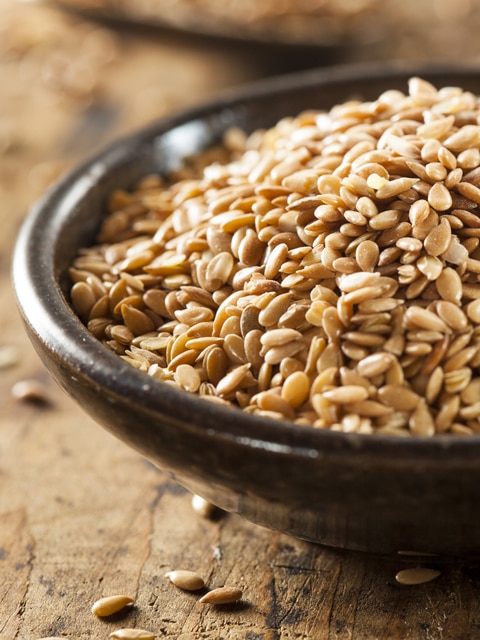
Greetings from Australia. I absolutely adore your website and wanted to thank you a thousand times over for taking the time to respond to questions and for having such a great resource available to everyone. I was wondering whether I need to soak flax seeds prior to grinding them in a coffee grinder for consumption? Thank you so much and many blessings xxx
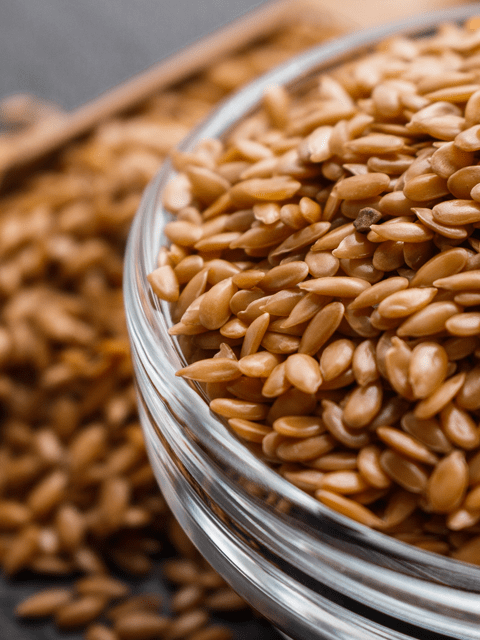
Thank you Larissa… I appreciate your kind words. :) Flax seeds as a whole don’t digest well in our bodies so one of two things need to happen… soak them or grind them. Once you soak them, there is no way to grind them. They form a gelatinous coating and makes them very slippery and down right impossible to grind. I am not sure if you have a recipe in mind at the moment but as an example… if you wanted to add flax seeds to a cracker recipe, you either want to soak the seeds and add them to the recipe whole or you can grind them into a powder and add them to the recipe. Both ways make them digestible but give different textures. If you put soaked flax seeds in the food processor, they will just spin and spin and spin. :)
When you soak flax seeds, you don’t drain the liquid off… you can’t even if you tried. :) I hope this was helpful…let me know if you need more info. Blessings, amie sue
I know that peanuts aren’t nuts but do they have phytic acid issues that would benefit from soaking? Since going vegan I’ve been using more nuts and noticing terrible tummy problems! I don’t have peanuts often unless I dip into my kids’ peanut butter. Just wondering since it wasn’t on your list. Thank you!
Hello Mandy… yes, I would soak and dehydrate them as well, but make sure you are truly buying raw peanuts. They are not easy to come by. Here is a basic outline on how to soak them. Nuts can be rough on the digestive system and I think they are often eaten to much in abundance when people are eating a high raw diet. If you are soaking and dehydrating nuts and still experiencing tummy issues, I would personally cut back on them. I hope this is helpful. amie sue
Peanuts (out of shell)
4 cups of raw nuts
1 Tbsp sea salt
enough water to cover
Soaking for least 7 hours or overnight
Dehydrating at 105 degrees for 12-24 hours, until completely dry and crisp
Store in an airtight container
In the previous post, you mention 4 cup raw nuts and 1 Tbsp for soaking purposes. Would you always use 1 Tbsp salt per 4 cups of nuts? It sounds like a lot of salt. Thank you. I enjoy receiving all of your recipes and have tried many – so keep them coming!
Hello Patricia… it is a lot of salt but you rinse it off in the end when you drain the nuts and rinse them before dehydrating. Have a blessed evening! amie sue
very informative info on nut soaking,but I’d like to know about what to do about oats and grains as well.
Hi Denny, I have posts that cover those in the Raw Techniques menu section. Have a great day, amie sue
Would sprouting chia seeds and then dehydrating them be more beneficial than just soaking them? I would appreciate your advice.
Not to my knowledge Chistine. Have a great day. amie sue
Oh amie-sue, I am sorry for all my questions. I was picking out another recipe of yours to try. Which talked about soaking nuts. I bought 25 pounds of almonds and put them in the freezer to keep them fresh, as I was told to do. My question to you is, can I defrost the nuts, soak them and dehydrate as per your instructions. The store them the way you think best.
Again, I am sorry for all the questions. Thank-you for your help and patience.
Suzie
Hi Suzie, please don’t apologize for questions. :) That is why I am here. To try to help when I can. It’s my honor.
Yes, it is just fine to take nuts out of the freezer, soak and dehydrate… then if you need to store them, keep them in the fridge or freezer. It must be nice for you to keep some soaked and dehydrated ones in the fridge so you can make recipes on the spot. Know what I mean? Have a blessed day! amie sue
Thank-you!!!
Hello,
I am glad that I stumbled upon your weblink as it has increased my knowledge of raw nuts! Let me see if I totally understand….you do not need to soak raw nuts you intend to roast correct? But should soak otherwise? Also, can you tell me if raw nuts can be stored in zip lock containers or would you recommend plastic container, as I just can’t do glass jars? Thank you very much!
Hi Sheri,
I am glad that you stumbled upon my site as well. :) So, you are asking if you should soak nuts prior to roasting. To be honest, I don’t know the scientific answer to this. From what I have read once nuts have been roasted, the oils in them have gone rancid which is one of the biggest sources of free radicals. IT is said that it can lead to cellular damage and have even been linked to several chronic illnesses.
Plus once nuts have been roasted they are no longer alive, so soaking them will not make the nutrients more bio-available. Roasting them destroys many of the important nutrients in nuts, so in my opinion go for raw nuts to get the most nutritional value out of them. Please research this further if you still wish to roast them. So what resonates with you.
For nut storage, I use mason jars only. I wouldn’t store in plastic bags due to any chemicals that can leach from them, same goes for plastic containers. Better to be safe than sorry. Buying raw (organic when I can), top quality ingredients is more expensive, so I don’t want to risk anything. I hope this helped Sheri. Many blessings, amie sue
When you say , to put the nuts on the sheets of the dehydrator, after they have been soaked, are you speaking of the non-stick sheets or the mess. I’m sorry.
Also, would please post when you have replaced all the items back on amazon. I want to place an order, but one of the things I would like to order is not listed. I am assuming that it was one that bit the dust. (so to speak)girn.
Thank-you
Place the nuts on the mesh sheet so that the air can swirl about them and dry them quicker. I am having to slowly redo all those links… which item are you looking for right now and I will fix it asap. Have a great evening, amie sue
Hi ami-sue, you do have want I want. I was looking for yacon and you have the powder. I was looking for the syrup, because I thought that is the only way it came. I am getting my order together.
Thank-you, once again.
p.s. I don’t want you to think I am a dummy with all these questions, I ask you. I am so nerves about making a mistake with whatever I am doing. Can you tell I am type A. I need to relax and enjoy this adventure, but in the mean time thank-you so much for your patience.
Suzie
Hi Suzie, I never would think that your questions are dumb. :) I understand what it is to be Type A… I am going through a 12 step program for it. haha It’s all good! Have a wonderful evening and I look forward in hearing from you again. amie sue
Hi! Thanks for all this info. I have a question: last week I made some raw energy balls using raw, soaked sunflower seeds and dates. I didn’t dehydrate the sunflower seeds after I soaked them, I just patted them slightly dry so they were still damp when they went into the food processor with the dates. I have been eating the energy balls throughout the week and they seemed to have lasted fine…but I still have a few left and it has almost been a week. Do you think they are bad to eat now (since the seeds were damp?) Is it risky to still eat them? Or is it OK since they are meant to be moist anyway?
Thanks!
Hi Elly…. seeds can be eaten wet or dry. Have you been storing them in the fridge? If so, I would think that they are just fine. If they have been stored at room temp (and depending how warm that is) you are going to have to use your senses to determine. Do you see mold? Do they smell “off”? Do they taste any different? If you are leery in any shape or form, I would personally chuck them. No sense in possibly adding any bad bacteria to your system. There are a lot of variables to answer as you can see. Have a blessed weekend, amie sue
Hi I soaked my flax seeds for 8hrs and now they are gooey. From my research that is normal. My question is am I supposed to rinse the goo off? Is it harmful, cuz I thought for a salad I would want to rinse the goo off, but if I made a smoothy I would just add all of it to the smoothy if its not harmful, just want to make sure the goo isn’t the phytic acid or something.
Thanks,
Shaunna
Hi Shaunna,
There is no possible way to rinse the “goo” off. That is called mucilage that the flax seeds create when soaked. Eating flax seeds in their whole unsoaked form, are hard to digest. To make them easier on your tummy you need to either soak them or grind them (as needed). The “goo” is meant to be eaten so you are ok. It just depends on what you plan on doing with the flax as to how you would prepare it. If you were going to put them on a salad, I would grind them or you could add the flax “goo” gel to your salad dressing. For a smoothie you could add the flax “goo” or ground flax to it. Does that help? amie sue
Hi Amie-sue,
I adore your website. Everything I need is here. Thank you!! I have a question regarding flax seeds. I soaked them yesterday and completly forgot about them so by the time I remembered this morning , the seeds had been soaking for 15 hours. I just read your previous answer so I know now that the goo is normal (I tried and tried to rinse it of and then gave up:). But still , did I soak them too long?
I have an excalibur dehydrator and they have been drying all day. I just checked them and while it seemed dried at first ,I realized that the bottom part is still very wet & gooey. Should I keep on drying them? Is there such a thing as drying seeds too much?
Thanks,
Sophie
Hello Sophie….
Bless your heart… I can only imagine your frustration in trying to rid the seeds of the “goo” which is known as mucilage. It can’t be done, not meant to be done. :) I outlined that pretty well in the post that you are referring to. You didn’t soak them to long at all. But at that point they are not meant to be dried. Unless you are making flax crackers. I know it can all be confusing but soon it will be old nature for you. :) Does this answer your questions? At this point go ahead and just continue drying what you have in the machine. Was your plan to make them info a cracker when you spread them out to dry? Keep me posted, I would love to help. amie sue
Hi Amie-sue,
Where I get confused is when a recipe calls for flax seeds ( for a granola for exemple) , how are the seeds to be added , dry, soaked, dehydrated?
I get the same confusion with flaked oats. If a recipe calls for them , there meant to be soaked but not dry.. correct?
So I should just discard what I have ? or can I reuse it somewhere.
Thank you, thank you!
ps: your broccoli and mushrooms dish has become a staple here:)
Hi Sophie,
I can see how it can be confusing. I hope that I have been clear enough on my recipes but if you come across one that seems confusing, please call me on it. I can fix the recipe to be more clear. I have been doing this for so long that sometimes I forget that the obvious isn’t so obvious. :)
When flax seeds are added to a granola recipe for example, it should state that they need to be soaked or ground. OR the recipe may have liquid in it so when it is all mixed together the flax starts to absorb that liquid thus becomes more digestible.
As far as oats so… in my recipes sometimes they are used soaked and dehydrated (may need to the dry in the recipe for a texture purpose) or sometimes they may just be soaked and can be used wet. Do you understand why I recommend the soaking step?
Discard what you have? What do you have and what are you doing? :) I hope this helps so far… amie sue
hi Amie-sue,
So if I understand correctly flax seeds are either soaked and used wet but if I ground them at home no need to soak them? correct?
I understand the reason for soaking but get confused when it comes to using them properly for correct texture…
For example , I would like to make your Honey oat bread but the receipt say to ground the oat into a flour so is that assuming that these oats have been soaked & dehydrated ?
What I meant by discarding was that i now have 4 cups of dehydrated flax seeds (well really more tasteless crackers ;).. that I ended up drying (mistakenly) and now I wondering what recipe to use them for .
I appreciate all of your help Amie sue. thank you
Hi Sophie, just caught me before I was heading to bed. :)
Q ~ So if I understand correctly flax seeds are either soaked and used wet but if I ground them at home no need to soak them? correct?
A ~ Correct :) You can soak ground flax if you want a paste-like texture for a recipe. There are many ways to use flax, as you are learning.
I understand the reason for soaking but get confused when it comes to using them properly for correct texture…
A ~ Perfectly understandable. In no time flat, you will better understand this ingredient as you use it. Soaked flax seeds are perfect for acting as a “binder” in recipes. For flax crackers, flax gives them a strong structure. If you don’t want the appearance of the seeds, you can grind them. Or if you don’t want the mouth feel of seeds, you can grind them. For smoothies, you can add a Tbsp of ground flax to help thicken it and give a boost of nutrients. I could spend all night with examples. :)
Q ~ For example , I would like to make your Honey oat bread but the receipt say to ground the oat into a flour so is that assuming that these oats have been soaked & dehydrated ?
A ~ Correct.
Q ~ What I meant by discarding was that i now have 4 cups of dehydrated flax seeds (well really more tasteless crackers ;).. that I ended up drying (mistakenly) and now I wondering what recipe to use them for .
A ~ Oh ok, gotcha. I can imagine that they are pretty darn bland. hehe Don’t throw them away… here are a few ideas:
1. Break into pieces and place in your food processor and pulse it. Don’t grind to a flour stage. You can then sprinkle your salads with it which will give you great crunch (let’s pretend they are croutons hehe) plus you will get the nutrients. Or use the chunks in a granola recipe.
2. You could go ahead and grind it or some of it to a flour and use in a recipe that calls for ground flax seeds. Just do this as needed. If you pre-grind it all, you will lose nutrients as it sits around.
3. Store in the fridge or freezer. Flax seeds can go rancid due to their oils.
Does this help? :)
Thank you , thank you , thank you!!!
Welcome, welcome, welcome. hehe
Must I dehydrate and grind flax seeds after soaking? I have read that they must be ground to release the nutrients. Do you know if this is accurate? Or, not? Please advise. Thank you.
No Dionne, Please read the comment section here, I was helping Sophie through this same basic situation. If you have further questions, please let me know. amie sue
I am so sorry. I must have read every other comment trying to find the answer. Of course, it had to be the last one. Thank you so much!
It’s quite all right Dionne :) I figured you hadn’t seen the conversation going on. I hope you got your questions answered and if not, you know how to find me. :)
Hello,
I was just wondering if you need to refrigerate sunflower seeds after you’ve soaked and dehydrated them?
Thanks,
Sherry
Hi Sherry, I always store my nuts and seeds in the fridge or freezer. Always. I use mason jars. Have a wonderful evening.. amie sue
Hello!
I can only source Roasted walnuts at the moment…does soaking aid roasted nuts as it does raw?
Thank you for your time!
I purchased “raw” almonds from the grocery (I don’t live in California), but now I know that is not entirely true (after reading this-thank you!). Is it a waste to soak and dehydrate the almonds if they are not really raw? Thanks for the link to order true raw almonds and thanks for sharing your recipes and techniques. I just started going raw April 1st and your site is keeping interested :). Thanks again!
Hello Dana, I have tried to research this very question in the past. If the nuts are not raw, in my book, I would still go through the process. I believe that through roasting of the nuts, the enzymes are no linger there but perhaps the phytic acid does? I wish I knew for sure but I can’t find much info to support it. When in doubt, soak it out. hehe Plus, we like the texture of nuts and seeds after being soaked and processed better anyway… so even if for that purpose, I would do. Have a blessed day Dana. amie sue
Upon review of various ‘nut/seed/sprouting/dehydrating’ articles, it is not totally clear to me if it is “best” to sprout my sunflower and pumpkin seeds prior to dehydrating. Obviously , it would be easier to eliminate the sprouting, but i do not want to cut out a process if it is going to subtract from the nutrients i am trying to obtain. They are to be eaten as snack and added to salads and granolas. thanks and i appreciate your attention…
Hello Nancy… are you referring to sprouting as the soaking process? I ask only because I see people use this term interchangeably. The soaking process is required to release the phytic acid and enzyme inhibitors. I hope this answers your question. amie sue
Hi amie-sue, could you tell me what ratio of salt to nuts I should use for the soaking process?
Hello Julie….1 Tbsp sea salt to 4 cups of nuts. :) Have a great weekend. amie sue
Wonderful Article and very complete! So much detail about the nut’s benefits, preservation, substitutes and more.
HOMEMADE ALMOND MILK
Also, once the soaking process of almonds is done, it is really interesting to use them to make your own Almond milk. Just 1 cup of soaked almonds with 4 cups of distilled water. Blend thoroughly and filter with a nut milk bag and voila!
We will definitely share this article with our followers on Facebook.
Thank you for providing all this information!
Thank you Marie :) I have a post on making nut milk here on my site as well. I appreciate you sharing. Have a great weekend! amie sue
https://nouveauraw.com/raw-recipies/smoothies-juices-nut-milks/nut-milk/
i have got honey, almonds ,pistachio salted, dried dates and dried grapes (kishmish). i am planning to mix them and eat daily? any suggestions before i mix them? thank you in advance for your valuable time. from (erode,tamilnadu),india.
There are so many things that you can do with these ingredients but the most important would be to soak and dehydrate the nuts first to release some of the phytic acid and enzym inhibitors. You could blend these ingredients together and make a great breakfast bar of out of them or a granola. Have a great day Dilip. amie sue
Good day Amie-Sue
I have 2 questions about dehydrated nuts/seeds and this page is the good place to ask you, I think :).
1- I often soak almonds like you say (but without the salt… which I will do from now), put them on my Excalibur trays and — before dehydrating them — slightly shake my own version of cajun spices on them. Delicious and addictive :). But one I love is the Tamari almond which I never tried myself. Would you suggest to soak them in the tamari for an hour or so before dehydration and after the 8 hours soaking? Or is there another technique?
2- When you want to make cheese and soak the nuts or seeds for the creamy texture can we re-soak the dehydrated nuts or seeds or should we use “fresh” nuts and seeds for that purpose?
Thank you for your site which I consider as the bible for raw foodist <3
Good afternoon Amyah,
First of all, I hope that you are having a wonderful day… now lets get to business here. :)
Q- Would you suggest to soak them in the tamari for an hour or so before dehydration and after the 8 hours soaking? Or is there another technique?
A ~ Soak the almonds in the salt water over night, as indicated. Drain and rinse them. Place in a bowl and add tamari, stir and allow it to rest for 30-60 minutes, drain off excess Tamari and dehydrate as normal. Yum!
Q ~ When you want to make cheese and soak the nuts or seeds for the creamy texture can we re-soak the dehydrated nuts or seeds or should we use “fresh” nuts and seeds for that purpose?
A ~ Yes, you can re-soak the nuts or seeds but to be honest, since you have gone through all the work of soaking and dehydrating them, I would save those for recipes need soaked and dehydrated nuts… that saves you a lot of time and allows you to be flexible in making raw dishes on the spot. Since you have to soak them to soften them, I would fresh raw nuts that haven’t yet been soaked. Does that make sense?
I hope this helped. Have an amazing weekend Amyah! amie sue
Thank you for your answer… yes it makes sense. It is what I hought but sometimes there is tricks I don’t know yet :)
Thank you again for your time
Have a wonderful weekend
Amyah
Your welcome Amyah… have a great weekend yourself. amie sue :)
” To break down gluten and make digestion easier.”
Since when nuts contain gluten??? Gluten is a protein found in wheat and other cereal, but not in nuts. Is this a typo??
Typo! Thank you for pointing it out gema. I amended it. Have a great evening, amie sue
Hi Amie-Sue! I am going to be hosting mini classes at my chiropractor’s office to introduce people to the raw world and help them get started. In each class I’ll be making a raw recipe (either my own or someone else’s that I’ve found and will appropriately credit). At some point I’ll be using a recipe that calls for nuts and I’ll want to talk about soaking them and the benefits of of doing so. I found your information to be so thorough and comprehensive and was wondering if I can use any of this information including your nut soaking chart as a handout? Anything used from your site would be properly credited. Your site has been a great resource for me that my mom told me about when I converted to the raw lifestyle 8 months ago and I was planning on referring people to your site as a resource for them if they decide to start going raw. This is all still a little new for me so I am kind of scared, but hopefully the first few classes will be forgiving as they’ll probably start out being just my friends and family! lol!
Hello April,
Yes you are welcome to to use info from my site. :) I am very excited for you. Just be YOU… let your passion shine through and it will be good! Keep me posted how it goes. I remember what it was like when I first started teaching classes. I am one who loves to be BEHIND the scenes, not the focal point. hehe Many blessings! amie sue
Thanks Amie-Sue! With your blessings and encouragement I know it’ll go great!
I know you will as well April! hugs
In my haste to make sunflour I did not soak them before I promptly put them in my food processor. Can I still soak them or have I ruined this batch?
Hi Penny,
I don’t think you ruined this batch. I think it can be saved. Since they were dehydrated at a low temp ( I assume you did this to keep it raw? )… they should still be “alive”, so go ahead and soak the flour in water with salt, just as you would if they were whole. You will need a real fine mesh strainer to drain the water from it, I would use a nut bag if you have one. Then spread out on the dehydrator sheet and continue that process. These things happen from time to time as we get excited in the kitchen. Have a great evening, amie sue :)
Hi Amie-Sue..
I so appreciate this chart. It is so helpful. I use it almost daily. My question: Macadamia Nuts. You say… Do Not Soak!
Why don’t we soak them? I am asking because I came
across a recipe for Hummus and it said to soak the
Macadamia Nuts for 24 hours. Because you used an !
after the Do Not Soak, I figured there must be a reason.
Thanks, just curious.
BJ
Sorry that I didn’t get to your question sooner BJ… been busy painting these past few days and I fall into bed snoring. hehe I spent some time doing more research on this and I am going to up date my list. It can be hard sometimes to get straight answers on things any more with all the info on Google. When I first learned about soaking nuts, everyone agreed that they didn’t require soaking but now days I am seeing that most people say they do. I looked up what I consider to reliable sites and they say soak. It can’t hurt so let’s do it from now on. :) We learn new things every day and I spec in time as more research comes out due to raw foods growing out there, that we will learn more and more.
Thank you for asking so I could research it again. :) amie sue
Thanks so much for your reply. I love your site and I am learning more everyday. I don’t imagine the learning process ever stops….Not to worry about response time. I knew you would respond. :) I will soak the macadamia nuts!
Enjoy the painting.
BJ
Your welcome BJ… I do my best. Blessings and hugs, amie sue
Hey! So I have a completely unrelated question ! (sorta kinda in a way bot not REALLY unrelated)
After soaking almonds in tamari, can the tamari be re-used for stuff or do I have to chuck it out?! I really do not want to throw it out tho.. (And yes, soaked the almonds before marinading in tamari)
Cheers! :D
Hello Idapie,
Hmm good question. Since the almonds had already been soaked and rinsed, I would think that the tamari would be ok to use again. Is it just a small amount? amie sue
Cheers for the quick reply! Well its not a huge amount really, maybe 1.5dl, but for tamari its a fair amount. I put in a glass jar and just have to use it more freq. Made almond cheese yesterday and replaced the salt with some left over tamari and it tasted heavenly! :)
That sounds great Idapie… I am glad that you are finding ways to use it and not waste it. :) Have a great day…cheers!
Hi Amie-Sue. Could you tell me if walnuts go rancid if they are dehydrated (after they’ve been soaked)?
Yes Julie, they can and any nut or seed still can…due to their fat content. Be sure to store them properly and you should be ok. amie sue
Hi Amie-Sue, I’m interested to know why pistachio, brazil and cashew nuts don’t need to be soaked?
Hello Julie,
I show cashews to be soaked but in the past information was provided that pistachios and brazil nuts didn’t require soaking because they didn’t skin barriers to inhibit digestion. I am starting to research this issue again but I am starting to read a lot of mixed information out there. I will update my list as I gather more info! Blessings, amie sue
I sooo want to do this! However I’m such a phobic person especially when it comes to food and the risk of food poisoning! How can I be sure that the almonds (or other nuts requiring a soaking time of more than 2 hours) do not contain a dangerously high level of pathogens at the end of the process? Does it help to use 4° C cold water with salt and soaking the nuts in the refridgerator – or would that be to cold to work?? I’m grateful for every educated information on this issue!!! <3
Hi Victoria…
I don’t know the scientific answer to that question Victoria. There is no way for me to know. There are so many variables; the quality of the nuts that you are using, are they fresh / rancid / moldy / check your sources. A persons living condition can play into it; how clean is the kitchen, the utensils used, the humidity in the house, the temp in the house… and so on. For the sake of giving yourself more comfort, it would be just fine to soak in cold water and to do so in the fridge. Sorry that I am not much help in that question. amie sue
I don’t have any questions to ask.
I just wanted to say what an AWESOME website…
Thank you so much for all your hard work!
Thank you Pat. I really appreciate that you took the time to share that. :) Blessings, amie sue
Hi, I’ve been on this site before and took a screenshot for the soaking time. Now these time have changed!!! What happened? The old info says DO NOT SOAK pistachio, macadamia and now they have to be soaked. ??? Where do you get these information? Why are they not consistent? Please answer. Thank you.
Good morning Choimin,
I get my information through thorough research. And as more studies are being done in “health” (and they will continue to advance as they learn more about food and the body), new information comes out. It is difficult to get black and white solid answers on some topics / issues because there haven’t been enough scientific studies done. When I look throughout the Internet at soak times for nuts and seeds, it varies. I do what feels right based off of the information that I find. Have a wonderful weekend, amie sue
Hi Amie-Sue! Your web site is fantastic and you are magic…your recipes and your fantasy in doing them is illimited!! You’re great!
MAybe I didnt see, but is there any list for nut/seeds dehydrating time as done for soaking time ?
thank you
:*
Silvia
Thank you Silvia, I appreciate your encouraging words. :) To answer your question about dehydrating the nuts and seeds. This time will vary due to what machine you are using, what your climate is like, and how full your machine is when drying them. All of those factors will change the times. But as a rule of thumb, I would safely say anywhere from 8 – 18 hours. I know that is quite a span but it isn’t an exact science either. If you want something more detailed, I can work on that for you. Just let me know. Have a great evening, amie sue
Please, is it same effect when I blend nuts and then soak?
Hello Pavia,
I am afraid that I need more information from you. When you say “blend” what do you mean exactly? Blend as in processed into smaller bits or blending as an assortment of nuts? I don’t recommend blending them into small bits first. It will make it harder to handle them dehydrating them. If you mean blending as in using pecans, walnuts, almonds together in a bowl and then soaking… that is just fine. Just make sure that the nuts or seeds you use need about the same amount of time to soak.
I hope this helps, amie sue
I am sorry, I mean crushed in the mixer.
Ok, thank Pavia for clarifying that. I would soak them whole first,then dehydrate. When crushed they will create a lot of crumbs that will get lost and fly all over as they dry. amie sue
Sorry I mean mixed, crushed nuts in the mixer, making butter bread and eat next day. Is it enough for inhibitors getting out?
No Pavia, the nuts need to be soaked and dried first before making a nut butter in order to the inhibitors out. amie sue
Taking a break today from uncooking had leftovers from yesterday so I had some time to really browse your website.All I can say is wow!! I was already impressed just by the recipes and now all the info I have gained from my browsing is truly more inspirational to keep the hubby well feed, and for me to add more raw to my diet.Where do you get your nuts from?
Thank you Aliyah. I do my best to share everything I learn. :) I order my nuts from various companies but I have found great success with Earth Circle Organics and Wilderness Family. Have a great evening, amie sue
Can we soak different types of dry fruits together? Like almonds, walnuts,fig and sultanas together. Does this result in any chemical reaction that results in negative benefits?
Oh i got the answer from one of the previous posts thank you..!
hehe your welcome Siva :)
I am new to all of this and I have been studying like crazy! I am so grateful for this because there area so many recipes on various sites that do not say how long to soak the nuts for. Or grains for that matter either:(. Anyway, I printed this and will use it until I memorize it!! Thank you, thank you, thank you!!!
T
Hello Teresa, I do my best to share what I learn and what I practice in my own kitchen. Please keep in touch and enjoy the site. amie sue
Hello,
I soak chia seeds and then leave them as is. I have not read or found any empirical evidence stating they must be dehydrated and was wondering if you can enlighten me on this topic. Also, instead of adding seasalt (do not compliment my meals with any salt ever) could I add Apple Cider Vinegar instead? Lastly, does dehydrating change the fat content and chemical structure of almonds? I appreciate your responses? Are there currently any articles on soaking grains and legumes? Thanks
Hello Travis,
I don’t dehydrate soaked chia seeds, unless they are mixed in a recipe like a granola. Chia seeds can even be eaten without soaking them, unlike flax seeds.
And yes, for the soaking process you can use raw apple cider vinegar or lemon juice.
I am guessing that dehydrating does change the fat content and chemical structure of almonds but I don’t have any scientific studies in my back pocket to answer that. If you take a raw unsoaked almond and a soaked/ dehydrated almond and taste test them side by side, you can tell right away that the soaked and dried one is much lighter in texture and the center of the nut is hollowed out. I would suggest to do some deep research on-line to find the answers you are seeking.
Have a great day! amie sue
I follow a plant-based diet, not necessarily raw foods. What will happen (or not happen) if I don’t use raw almonds in the smoked gouda? Also, since it’s raw, does that mean I have to use unblanched almonds?
Hello Rose…
Nothing will “happen” if you use roasted almonds other than they can be harder on your body to digest due to the enzyme inhibitors and they may contain less nutrients. They will also impart a slightly different flavor but nothing that is too extreme. Just make sure that they are salt free or adjust the recipe if they are. I do recommend the soaking process to help soften the nuts so they blend nice and creamy for the “cheese”. amie sue
Hi Amie-Sue,
I’m new to your site, and this post has answered a lot of questions that I haven’t found anywhere else, so thank you! I have one other question that was mostly but not entirely answered in previous comments. You mentioned that you don’t recommend using soaked, nondehydrated nuts in nut butters. My impression was that it impacts texture in a way that is off putting. The problem is that I’m impatient, and don’t have a great dehydrator anyway. I had been thinking that soaking the nuts without dehydrating them would probably make them easier to blend, so that it wouldn’t take as long to make a decent butter in a food processor. My ultimate question is, would a nut butter using soaked, nondehydrated nuts affect storage and expiration? i.e., Would it go rancid or moldy more quickly, and/or have to be refrigerated rather than stored at room temperature? Thank you!
Katherine
Hello Katherine,
I have tried using soaked almonds when making almond butter and it didn’t blend to a nice creamy butter. You really need to start with dry nuts in order to get it to that creamy state. Regardless of how you make your nut/seed butters, keep them stored in the fridge. At room temp the nuts will go rancid a lot quicker due to the oils. I hope this helps. have a blessed day! amie sue
Okay, I will admit that I read about 1/2-3/4 of your Q & A website and then I scrolled down to the bottom, so my question may have been answered.
First of all, your website is extremely informative & I got to this page by accident, or by divine intervention. Either way, it’s fabulous.
My question is this…If I buy macadamia nuts in a jar (I think that they’re already roasted), (I started out this AM looking at your recipe that you had for cranberry & macadamia nut granola bars. This is how I ended up at this website.) IF they have already been roasted, & they’re not raw, would I process my m. nuts as directed? Will it make that much difference in the recipe? I’ve got a food processor & a nice food dehydrator. My understanding is that the raw nut has the enzymes, & if that’s the case my roasted m. nuts wouldn’t have them. Am I understanding this correctly?
Anyway, thanks for the help.
Patti Mc :-)
Hello Patti,
Your understanding that raw nuts have enzymes and roasting them kills some of them off. At that point, the only time I would soak them would be to soften them for certain texture purposes. But I don’t eat roasted nuts because they bloat me and I struggle to digest them. I am glad that you enjoying my site… I hope it brings inspiration and a few new dishes to your table. :) Blessings, amie sue
Absolutely love your site. Would you advise soaking nuts and seeds for any usage. Re. nut butters, bread etc. I noticed Peanuts are not listed on the soaking chart. I only use raw nuts and seeds. Thanks
I would arise soaking and drying them before you ever plan on eating them. :) all of the reasons that I shared above. I would soak peanuts for 7 hours or overnight and then dehydrate them for about 12-24 hours, until completely dry and crisp. Have a wonderful weekend, amie sue
In your bread recipies I read all the time about soaked and dehydrated nuts a seeds…pls give me more informations about haw long I need to dehydrate those ingredients?
Thank you very much!
This very post states that Arli.
Under “Basic Soaking and drying Instructions: 1 Tbsp sea salt to 4 cups of nuts” it reads…
Spread them out on your dehydrator sheets in a single layer and dry them at 115 degrees until they are thoroughly dry and crisp. Make sure they are completely dry. If not, they could mold, and won’t have that crunchy, yummy texture you expect from nuts and seeds. The dry time will vary due to the machine you own, the type of climate you live in and how full your dehydrator is when drying them. Expect anywhere from 12 + hours.
It will always vary… depending on the machine you use, how accurate the machine runs, the humidity, the over-all climate you live in and how full the machine is. There isn’t an exact time.
Have a blessed day and I hope this helps. amie sue
thank you!
Hey there, this is a really helpful post! Do you know if you can soak seeds for too long? I left some pumpkin seeds in water (no salt) in the fridge for about a week. Should I toss them?
Thanks,
Elizabeth
Yes Elizabeth, it is possible to over soak the nuts. Did you rinse and add new water at least daily? If they look, taste and / or smell bad… toss them! I don’t want you getting sick. :) amie sue
Amie-Sue,
Hope all is well. I’m planning on soaking and dehydrating a bunch of different kind of nuts so I have them on hand. I was wondering if I could use the soaked and dehydrated nuts to make nut milk. Would I have to re-soak the nuts again? If so for how long? Thanks for such a wonderful resource.
Take care,
Susan
I do it all the time Susan. I am in the habit of soaking and drying all the nuts I buy once I bring them home. The only reason to resoak them would be to soften them if you don’t have a high powdered blender. Otherwise, you can skip that soaking process. Have a great week, amie sue
Amie-Sue YOU ROCK!!!! Thanks. xo
Amie-Sue,
Hope you are well. I recently soaked and dehydrated a bunch of Flax seeds. It seems that they all dried as a flat sheet of flax seeds almost as if they can be broken into crackers. Is that ok? I broke them up as best I could but they are no longer individual seeds. Thanks and have a great day!
Good evening Susan,
I am doing wonderful, thank you. :) I normally don’t soak and dehydrate flax seeds. I either soak them and use in recipes or grind them. But since you did, I would just break them up and enjoy them as a snack or add to future recipes. :) Have a wonderful week! amie sue
I’ve received a container of soaked and dehydrated sunflower seeds as a present. Should I store them in the fridge and how long is their shelf life.
Hello George,
I store all my nuts and seeds in the fridge or freezer so they don’t go rancid. I can’t really say what the shelf-life is, it all depends if they dried them completely or if any moisture was left in them. They will keep longer in the chiller though. Sometimes the flavors that they were spiced with can start to fad, so you will have to go by taste. :) I find nuts and seeds in general (after soaked and dehydrated) will easily last up to 3 months in the fridge and 6 months in the freezer. Just make sure that they are in a sealed container so they don’t pick odors from the chiller and other foods. Great present! Enjoy them and the labor of love that went into them. Blessings, amie sue
hello .. really great info … you mentioned how long and the type of the nuts to be soaked…my question is please tell us how long each vary nuts must be dehydrated ???
Thanks
Good morning Zoheh,
The dry time varies nut only between nut and seed but also due to; what machine you use, how full it is, the humidity level and climate. Small seeds… start checking after 4-6 hours and nuts usually take 12+ hours. Have a happy day! amie sue
Do You need to blanch nuts before soaking? Does it make any difference in nutrition? Thank you
No, blanching nuts and seeds “cooks them” and no longer will be raw. I have yet to learn or read about a reason to do so. Have you read something to prompt that question? amie sue
Hi, Good Day, from Durban SA., thanks for all the info. I’m making mueseli, I’ve soaked nuts & seeds. Can I pulse them before drying them out in the oven? (at vey low temp). I add liquids (vanilla, coconut oil raw egg etc)to the nuts/seeds which means they all need to cook (at a very low temperature. Or should I add liquid to the WHOLE nuts/seeds, then dry out, then pulse? Jennifer
You can but I would worry about them burning and cooking unevenly. Just keep a very close eye on them if you decided too.It would be like baking granola almost.
Do typically soak the nuts/seeds, then mix with all the ingredients, then bake it?
Thanks for reply. Mueseli/granola same thing here. I’m new to this. We’re Banting (no sugar or carbs., fantastic weight loss!) The mueseli tastes very good, I’m trying to improve on receipe, and not lose out on the ‘super food’ value. First time did not soak, and I over heated them when roasting. 2nd time, soaked both, realized too late I should not have put nuts into liquids (oil etc) after soaking. I used the nuts up quickly, seperately. (Expensive mistake.) This time I soaked selected seeds seperatly, pulsed selected seeds, added oils etc. and pan dried seeds, then put in fridge. Nuts, soaked, sun dried, pulsed then added to seeds and coconut oil etc. Decided no egg! I think though I must get a thermometer as per you suggestion. If all works well I will invest in a machine for drying. Jennifer
Hi Amie Sue,
I just started the raw diet after finding your site 2 weeks ago. I was starting the Specific Carbohydrate Diet for my digestive issues and I thought it would be a great diet to go hand in hand with it to assure that I get the most nutrients.
I just dehydrated my first batch of nuts! I realized when reading one of your posts about the kinds of nut flour, that the almond flour I’ve bought from the store is not raw. I looked up the steam pasteurization process and discovered that although it kills off bad bacteria like Salmonella, it also kills the good bacteria and enzymes. :/ I proceeded to call my local health store that I bought the raw nuts from and they said that their “raw” nuts are steam pasteurized and that it is required by the state that all nuts be pasteurized. I called Whole Foods and their nuts are steam pasteurized as well.
Are there any places (online?) that sell actual raw nuts? I looked online and found some sites that sell nuts online from Europe that haven’t been pasteurized.
Thanks so much for creating such an awesome website!!! :) You’re such an inspiration
Good afternoon Sophie,
It is wonderful to hear from you and welcome to Nouveau Raw… I hope as you begin your journey, that you will find many wonderful recipes here and the support you need to enjoy every step of the way. From my own experience, if you have digestive issues, really pay attention as to how your body responds to them… if they don’t “sit” right with you, that’s ok… doesn’t mean that it is forever, just until your digestive system is strong and healthy!
Finding truly raw nuts can be a challenge for sure. I find the word “raw” used pretty loosely on packaging, so it is good to hear that you are doing your homework. I have several sources where I get my raw nuts but you have to be a wholesaler / manufacture to purchase from them. There is one company though that I really love have ordered from in the past and thoroughly enjoyed their products.
Wilderness Family Naturals: http://www.wildernessfamilynaturals.com/. Their products are always fresh and wonderful. They have a lot of wonderful products so be sure to search through their site.
I hope this helps. Many blessings, amie sue
Good morning Amie Sue,
Thank you so much for your quick response! :) And thank you for the recommendation for Wilderness Family Naturals, it seems like a great resource.
I have discovered that it is US law that all almonds be pasteurized (even on Wilderness Family Naturals). I’ve done some investigating into why this seemingly un-risky food “requires” pasteurization and why it is the only nut that does… and I am astounded at what I have discovered. I know you like interesting facts about the foods you use so I thought you might find this interesting. (it is the best, most concise article i’ve found on the topic)
http://www.cornucopia.org/almond/Almond_Fact_Sheet.pdf
After learning the background on this, I think it is absurd that our almonds are being pasteurized and I’m considering buying non-pasteurized ones from Europe.
http://shop.livingnutz.com/ORGANIC-RAW-NUTS_c3.htm
I read in on your chili recipe (which I just made and loved :) ) that you also use nuts.com and the Raw Food World and both of these sell almonds that are not pasteurized.
I do the best that can Sophie… since then I have switched to a few other companies. :)
Thank you Sophie… I will be looking at this soon! I appreciate sharing what you found. Have a blessed day, amie sue
Hello,
First of all thankkksss a lot for such healthy tips on nuts about which I was ignorant whole my life :(
I want your advice on few things:
First of all I don’t have oven or dehydrating machine as mentioned aabove.
So I don’t mind soaking Every night and grinding them and drinking it as a milkshake next day.
My query is if I use it next day without drying Process will it spoil the nutrious value.
Can I also soak fig raisins and dry apricots?
Eagerly looking for a reply
Thank you
Sarah
Hello Sarah,
That is the beauty of life… we keep learning new things every day! :)
You can keep soaked nuts and seeds in the fridge for a few days at a time… sometimes, upwards to a week. After the initial soaking, drain, rinse and place them back in fresh water. Store in the fridge. Be sure to change the water out a few times a day from that point on.
You can soak dried fruit but I would only do it as needed.
Have a blessed day, amie sue
Greetings, In my ignormance, pse advise why sunflower seeds soak for only two hours, and yet sesame for eight hours.
Many thanks
Jennifer.
This is information that I have learned through my raw food culinary education. Scientifically, I don’t know the precise reasoning on how they determine the length of time a nut, seed or grain needs to be soaked… other than it has to do with the level of phytic acids that each one has in them and their biological make up. There is a chart on line that lists out the phytic acid levels in these types of foods but I will darned if I can find it right now. When I run across it again, I will post it here but in the meantime, you can do more Google research on this topic.
Have a great day, amie sue
Thanks for your reply; I’m new to soaking etc., and have found lots of confilcting info when I google. however, I’m sticking with your info/site as you do have crediblity, (to say nothing of your accolades!!; I can relate to your comment. The sesame seeds seemed so small against the sunflower seed…. My next step will be as A. below (buying a dehydrator), so your comments there were also noted. Thank you.
You bet Jennifer… there are days that I wish that I was a food scientist so I could really understand such things better. And remember, we can’t always judge things by their size. :) I do understand how frustrating it can be with all of the conflicting information on the Internet. There is a lot of information out there (good and bad) but at least in this day and age we have more and more of it at our fingertips and as science progresses, we can more educated with the foods that we consume.
It’s all a process…. just do the best that you can with the information that you find! You will love owning a dehydrator. It will open up a whole new culinary avenue for you. Blessings, amie sue
What make and model of dehydrator do you recommend for someone who will not do a lot of dehydrating (i.e. probably only a small to medium amount)?
Hello A,
I highly recommend the Excalibur dehydrators. They carry a smaller one that is a five tray… but I will be honest, for those who have bought that one, usually wish that they had bought the 9 tray. But either way… I love their machines! If you have further questions let me know, amie sue
https://nouveauraw.com/equipment/dehydrator-supplies/
Hi Amie-sue,
I love your recipes, specially the onion cheese bread.
My question is: why you put salt when you soak the nuts and seeds? What is it for?
All the best
Hello Cristina,
I love that bread too! Glad you are enjoying it.
Sally Fallon wrote a book called Nourishing Traditions and she talks about the basic method of soaking nuts is pretty much the same with some slight variations. Basically you soak the nuts in salt water (salt is necessary to help neutralize the enzymes) I have found many references to soaking nuts, grains, and seeds in either salt water, or by adding something acidic like yogurt, whey or lemon juice. The enzyme inhibitors are neutralized and the anti-nutrients are broken down regardless of the method you choose. There is evidence that the process works when you see sprouting begin.
Does this help? Have a wonderful day, amie sue
Hi Ami-Sue,
Thank you very much for your quick answer and for the book. Its been a great help.
All the best
Cristina
Hi
Thanks so much for the great information here. I am a bit confused about freezing.
Will it be ok to soak then freeze, without dehydrating?
I would only plan on keeping them for maybe 2 or 3 weeks like this.
Thanks :)
I only freeze them once dehydrated Sabina. Personally, I would just soak them as needed if you aren’t going to dehydrate them. But if you really want to freeze them once soaked, I don’t see it being a problem. :) Have a great day, amie sue
so i wonder in hazelnut flour ..i read i need to roast them to take the skins off.ifi dont and i just soak and dehydrate as they are..can i use the flour in replace of blanched hazelnut flour or it wont be same?if soaking makes skins go off…and i make flour it will taste different than roasted?or store bought?i am trying to figure out hwo to make th ebest out of them without spoiling the taste..
You referred to hazel nut flour in your other question on a different posting… I answered it there but please read this posting for starters https://nouveauraw.com/soaking-nuts-seeds-and-grains/hazel-nuts-soaking-drying/.
I don’t know if you are using these flours in baked or raw goods. They respond differently depending on the technique of cooking that you are doing. Blessings, amie sue
I’m trying to reduce tannins in my food as I have an allergic reaction to excess tannins. I eat dried figs every day. Would soaking them and/or cooking them on a low temperature help reduce the tannins ?
I honestly don’ know the answer to that Linda. I had to do some reading and found this: ” Tannins are destroyed in the drying process, so dried fruits (like raisins) do not contain tannins. Cooking reduces the amount of tannins in foods.” Source: http://www.diagnosisdiet.com/food/fruits/
Have a great day, amie sue
[…] importance of soaking the nuts – please click here for more […]
I have two pecan trees in my yard and every other year I get about 50 pounds of shelled pecans. I usually bag them in 16 ounce food saver bags and suck the air out of the bag then put them in the freezer or give a bunch away to friends. I have found some bags that were 6 years old and still taste good.
Not having a dehydrator I’ll try the oven trick to make pecan flour. Can you soak, dry, then grind to make crumbs then dry a little more and grind again to get less grainy flour?
Hello Doug,
What a blessing to grow your own pecans. :) There is something very special about growing your own food. Regarding your question, Can you soak, dry, then grind to make crumbs then dry a little more and grind again to get less grainy flour? I can’t say that I have gone through the double process so I am not 100% sure what the end result would be in texture. My main concern would be to watch out about releasing too much of their nature oils. Do you have a special grinder or what are you planing on using? amie sue
Is it OK to grind up in shell sunflower or pumpkin seeds, soak the results in sea salt water overnight, drain and eat in the morning?
Hello Fdleyda,
I won’t recommend using seeds that are still in the shell… just soak the seeds themselves and enjoy. :) Amie sue
I forgot about the cashews and soaked them for 14 hours. Is that going to make me sick? I am going to also ferment them with coconut aminos and vinegar and salt I didn’t soak them with salt and will next time which will probably preserve them more right? Is it required that you soak nuts with salt and is it one tablespoon of salt to 4 cups of water ratio?
Good evening Gina,
They shouldn’t make you sick after soaking that long but there many variables that could sway things. First of all taste and smell one.. if it tastes off, then I wouldn’t risk it. Did you have them soaking on the counter or fridge? In the fridge, I am confident that they are just fine. On the counter one would need to know what the ambient temperature is in the house. If it is really warm, it could speed things up and have a chance of being off. I have had cashews soak for 24 hours on my counter (oops) and our house stays around 70 degrees and they were just fine. Also, were they fresh to start off with? Did you taste them first to make sure they weren’t rancid? Nuts and seeds are high in fats and if they are old and/or not properly stored, they can go rancid.
If they seem fine to you and you move forward with fermenting them ( I assume you are blending these ingredients to a creamy texture 1st ) …. watch their progress, they may ferment quicker. And yes, just as it says up above… one tablespoon of salt to 4 cups of water. The salt isn’t there to preserve them but to help deactivate the phytic acid/enzyme inhibitors.
I hope this was helpful. Let me know. Blessings, amie sue
Two questions:
1. Are these soaked and dried nuts more prone to oxidization? Should they be consumed within a short period of time and/or stored in the freezer? (I use a vacuum jar sealer, is that enough?).
2. When making nut milk, should you soak the nuts first and discard the first water?
Hello Briana,
You can learn more on each specific nut or seeds here: https://nouveauraw.com/soaking-nuts-seeds-and-grains/. For me, when it comes to nuts and seeds, I soak and dehydrate them first. Then I store them in glass jars that are freezer-safe in the fridge or freezer. It just depends on quickly you go through them and what the climate is like where you live. Please read through the posting that I did on this matter.
Regarding nut milk, yes soak first then discard the soak water. Please read here: https://nouveauraw.com/raw-non-dairy-milks/nut-milk/ on how to make nut milk.
I hope you find the help that you are looking for. Blessings, amie sue
Hi!
Should we drain the soaking water of pecans after 4 hours?
I want to make glazed almonds and pecans.
Thanks!
Yes, always drain the soak water from nuts and seeds. amie sue
I meant should I drain it and add more water a second time?
Thanks.
A second time? I am sorry, having a hard time understanding what you are doing / asking. Please clarify and we will get to the bottom of this. :) Are you asking if you should change the water out during the soaking time so they soak in fresh water. If that is your question, yes, I try to change the water part way through the soak time. amie sue
Thanks. Yes, that was what I meant.
Amie Sue,
Your website is fantastic and I have recommended it to many people. I eat a lot of nuts and seeds with a raw diet. I soak and dehydrate them and eat raw ones when I can find them. Is there a general guideline for how many cups of nuts and seeds are healthy to consume on a daily basis?
Thank you,
Sal
Thank Sal for sharing my site with others. I really appreciate that. As far as how many nuts/seeds one ought to eat in a day… it is recommended roughly one ounce a day. In the raw world that can challenge. It really depends on the rest of your diet. It’s so easy to over do on nuts. It’s a good idea to rotate them and not eat them every day. It’s possible to create a nut intolerance. Rotation is key with all the foods we eat. It’s not healthy to eat the same foods day in, day out. You need variety so you can get a variety of nutrients. Learn to listen to your body to find your balance. What is good for you, may not be for me. I hope that makes sense.
Blessings, amie sue
Hello,
I realize that peanuts are legumes hence got this question: do they also need to be soaked? I would like to make peanut butter and not sure how best to go about it,
Many thanks,
Gen
Good morning Gen,
I do. Like other legumes, peanuts contain phytic acid and enzyme inhibitors which impair your body’s ability to access all of the nutrients contained in the peanuts. Soaking them overnight make them more digestible and nutritious. If you then plan to make peanut butter from them, you will need to either THOROUGHLY dehydrate or roast them before blending them. RAW peanuts/peanut butter taste very different from the peanut butters you may already be used to which are made from roasted peanuts.
Personally, both Bob and I don’t care for the taste of raw peanuts/butter. So, when I make it, I roast the peanuts. It’s a personal choice. I hope this helps. blessings, amie sue
Wow, there’s a long thread on this subject, sorry to add to it since you’ve explained so many aspects/reasons. As I mentioned earlier I’m making your Macadamia Coconut Crust.
#2 – Leave them in a warm location for the specified time (indicated below)….
Unless I’ve had too much coffee 🥴, I don’t see “times to soak” per specific nut. I saw you soak 12 hours and change the water but as an example, I don’t see a specific “soak time” for Macadamia nuts – since they’re expensive I’d like to do it properly. Your information is so complete and researched, I just love that aspect of not only providing recipes but the “why and how” – my warmest thanks 😊
Hello Penny,
I hope I am not too late in answering you! Argh. Sorry about that. Thank you for the kind words, and thank you for pointing out a detail that I failed to add to the post. I fixed and added all the soak times and links to individual write-ups for each nut/seed. But to quickly answer your question, it is 8-12 hours. Have a wonderful day, amie sue
[…] Soaking cashews is part of what gives the milk / sauce its thick and creamy texture. Soaking with a bit of salt helps to activate enzymes that help break down phytic acid, which occurs naturally in cashews and can hinder nutrient absorption in the body (read more). […]